
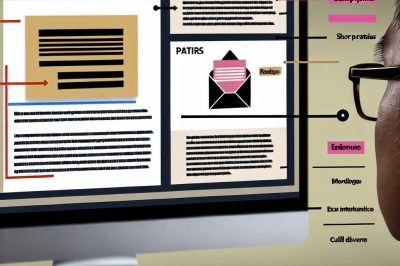
Understanding the Problem of Walls of Text
In professional communication, particularly when crafting emails, the way information is presented plays a significant role in how it is received. Dense, lengthy paragraphs, often referred to as walls of text, can overwhelm readers. When an email becomes a wall of text, the recipient might find it challenging to extract the necessary information, decreasing the effectiveness of the communication. In this article, accessible through Experience Designers, we will explore various strategies to create emails that are structured, engaging, and easy to understand, preventing them from becoming a daunting block of uninterrupted text.
Emphasizing the Importance of Structure
The foundation of a clear and effective email lies in its structure. When you establish a coherent order in your email, it becomes easier for recipients to navigate through the information you provide. The key elements of a well-structured email include short paragraphs, ample spacing, and using concise language throughout.
Using Headings and Subheadings
Incorporating headings and subheadings is an effective method of guiding your reader through the content logically. Using these tools helps break down your email into manageable and coherent parts, making your primary communication points stand out significantly. When an email is segmented under clearly defined headers, it becomes easier for the recipient to pinpoint and understand the most crucial information, enhancing overall readability.
Leveraging Lists Sparingly
Lists can be a double-edged sword. They are particularly useful in emphasizing key points or steps that you want the recipient to remember. However, relying too heavily on them can lead to a cluttered appearance and detract from their effectiveness. When choosing between bulleted lists or numbered lists, ensure their use is justified and that the information provided is essential and concise. Balancing their use is crucial to maintain clarity and prevent the loss of impact that comes from overutilization.
Implementing White Space
White space is an often-overlooked yet powerful tool in improving the readability of emails. By providing natural breaks in the content, white space ensures that text does not appear overwhelming. Make sure to include ample space between paragraphs and sections. This practice makes the content skimmable, allowing for easier comprehension and ensuring that the reader does not lose interest before reaching the end of your message.
Maintaining Engagement with Your Readers
Beyond the structural elements, maintaining engagement with your readers is crucial. An engaging email ensures that the information you intend to convey is not only read but also understood and remembered. Here are some effective strategies to keep your audience engaged:
Incorporating Visual Elements
Whenever applicable, use
Crafting a Compelling Introduction and Conclusion
A robust email begins and ends well. Start with a clear introduction that succinctly states the purpose of the email and outlines the key points you will discuss. By setting expectations right from the beginning, you help orient the reader in what to anticipate. Similarly, a strong conclusion provides a summary or a call-to-action, helping to reinforce the objectives you aim to achieve and prompting the reader to take the necessary subsequent steps.
Focusing on Clarity and Precision
To avoid confusing or overwhelming your audience, clarity must be at the forefront of your writing approach. Use precise and straightforward language, steering clear of technical jargon unless absolutely necessary. When clarity is prioritized, the likelihood of your message being understood on the first pass increases significantly, minimizing potential follow-up questions and fostering a more effective communication channel.
By implementing these strategies, you can enhance the appeal and effectiveness of your emails. Focusing on maintaining a clear structure, engaging content, and using precise language ensures that your communication is not only more accessible but also more likely to achieve its intended outcomes. Addressing the issue of walls of text by adhering to these methods will enhance the overall efficiency of your professional communications.