
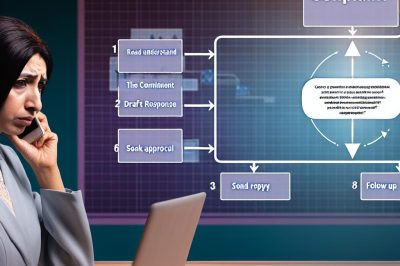
Introduction
Handling complaints through email requires a careful approach that balances professionalism and empathy. While email provides the advantage of convenience, it can also lead to misunderstandings if not handled properly. [For more detailed guidelines on managing customer complaints, refer to this comprehensive guide.] This article will guide you on effectively managing complaints received via email.
Understand the Complaint
The initial step in handling email complaints is understanding the complaint thoroughly. Begin by reading the complaint carefully to grasp its content. Pay attention to the complainant’s specific concerns, details, and any solutions they might propose. Understanding the issue fully is crucial before crafting a response. This comprehension ensures that your reply will be relevant and focused. Ignoring or misinterpreting key details could lead to further dissatisfaction and exacerbate the issue. Hence, taking the time to understand precisely what the complainant is experiencing or requesting can greatly improve the outcome of your response.
Prompt Acknowledgment
One of the first crucial steps after receiving the complaint is to send out a prompt acknowledgment. Responding promptly is fundamental as it reassures the complainant that their issue is being addressed. This straightforward yet important action prevents the customer from feeling neglected or ignored. For instance, a simple acknowledgment email such as:
“Thank you for reaching out. We have received your email and are currently reviewing the matter.”
This shows that you are actively listening and respect their time and concerns. An acknowledgment is more than just a courtesy; it sets the tone for all further communication.
Express Empathy
Empathy plays a significant role in handling complaints effectively. Expressing empathy can bridge the gap between your organization and the complainant. It makes the customer feel heard and understood, which is crucial in de-escalating a potentially tense situation. Empathy can be conveyed through phrases like:
“We understand your frustration and are here to help.”
Acknowledging the emotional impact of the complainant’s issue helps to build a connection and shows that the complaint is being taken seriously. Moreover, it casts your organization in a human light, where the welfare and satisfaction of the customer are prioritized.
Provide a Clear Response
After understanding the complaint fully, the next step is to formulate a clear and concise response. This involves addressing each point raised in the complaint and, where possible, offering solutions or methods by which the issue is being resolved. Clarity is crucial – you should aim to be factual and avoid ambiguity. A well-structured response demonstrates that all points have been considered thoughtfully, and efforts are being made to rectify the situation. It’s important that your response does not seem generic; it should be tailored specifically to the complainant’s particular issue for maximum impact.
Offer Solutions
Offering solutions is a vital part of the complaint-handling process. Where possible, propose feasible solutions that can effectively resolve the issue at hand. This step is where action meets communication. Providing realistic solutions and, if necessary, a timeline for their implementation can greatly aid in managing customer expectations. Transparency in this process is key to maintaining credibility. When a complainant sees a clear path to resolution, trust in your brand is reinforced, and the customer is much more likely to feel that their grievance is being heard and addressed appropriately.
Follow Up
An essential step that is sometimes overlooked is following up after the resolution of the complaint. Ensuring that the complainant is satisfied with the outcome not only serves to close the complaint effectively but also shows that you value the customer relationship. A follow-up can take the form of a brief email or phone call to confirm that the solution has been implemented to the customer’s satisfaction. This step is pivotal in demonstrating an ongoing commitment to service quality and customer satisfaction. It leaves a lasting positive impression and increases the chances of customer retention.
Concluding Thoughts
Handling complaints via email effectively can significantly strengthen customer relationships and build trust. By acknowledging, empathizing, and resolving issues transparently, you maintain professionalism and demonstrate your organization’s commitment to customer satisfaction. Remember, complaints are an opportunity for improvement and should be seen as a chance to reinforce loyalty and trust. When managed properly, a well-handled complaint can turn a dissatisfied customer into a loyal advocate for your brand.
In conclusion, the deliberate application of thoughtful strategies in managing email complaints can turn potential conflicts into constructive dialogues. This outcome benefits not only the individual complainant but also enhances the overall reputation and reliability of your business in the long run. With the right approach, complaints can be transformed into opportunities for strengthening operational practices and building stronger customer relationships.