
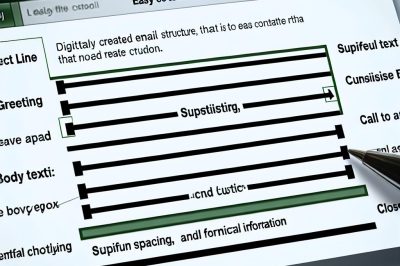
Crafting a Readable Email
In today’s digital age, emails remain a primary form of communication. Ensuring they are easy to read can significantly improve how your message is received. A well-structured email not only conveys professionalism but also respects the recipient’s time. To access more information about effective communication strategies, you can visit our website early in the writing process to enhance comprehension and provide context.
Clear Subject Line
The subject line is the first aspect of an email that the recipient observes. Its core purpose is to be concise and informative, ideally offering a glimpse into the content of the email itself. A precise subject line not only garners the recipient’s attention but also urges them to open the email promptly. This small, yet pivotal aspect of the email can set expectations and starts the communication process positively.
Proper Greeting
Beginning with a polite greeting is crucial in establishing the right tone for your email. When you use the recipient’s name, it adds an element of personalization, signaling that the message is not just a generic dispatch. For instance, employing greetings like “Dear Jane” or “Hello Mr. Smith” can enhance the reader’s interest and engagement. Such approaches foster an environment of respect and attentiveness, demonstrating the sender’s courteousness from the outset.
Introduction
The introduction is essentially the bridge that connects your greeting with the core message of the email. It’s optimal for the introduction to plainly communicate the purpose in a few sentences. For example, stating, “I am writing to provide an update on the project status,” succinctly conveys intent. Clarity at this stage ensures that recipients are oriented about the nature and purpose of the subsequent content, leading to a smoother reading experience.
Organize with Paragraphs
An organized structure is a hallmark of an effective email. This entails breaking down the content into discernible paragraphs, where each paragraph delineates a singular point or idea. Such organization aids the reader in navigating through the email without feeling inundated. Moreover, using bold text sparingly to spotlight key information or action points can make a big difference in ensuring that readers absorb the most important details. This method of sectional organization guarantees clarity and enhances reader comprehension.
Use Bullet Points Sparingly
Though bullet points can be an excellent tool for illustrating multiple items or sequential steps, it is beneficial to use them judiciously. Bullet points facilitate scannability and ease of understanding, especially in situations requiring lists or procedural instructions. However, over-reliance on bulleted lists might disrupt the narrative trajectory of the email, thus it’s pivotal to maintain a balance ensuring fluidity and cohesion in delivery. The key lies in knowing when lists amplify clarity without overwhelming the discerning eye of the reader.
Include Relevant Links
Whenever additional information is needed to supplement the email’s content, hyperlinks to online resources become indispensable. It’s exemplary to note “You can find more details on our website.” Clearly articulated links offer readers a pathway to delve deeper into the topics or subjects mentioned within the email. Effective linking entails clarity in explanation so that recipients know exactly what to anticipate upon clicking, thereby facilitating informed decisions regarding engaging with the supplementary content.
Conclusion
A strong conclusion or call to action serves as the denouement of the email. It might include indicative next steps or solicit feedback from the recipient. Furthermore, reiterating any vital deadlines or significant dates within this section solidifies their importance. The conclusion summarizes the email’s essence, ensuring that core messages are remembered and understood. By crafting a mindful and comprehensive conclusion, emails become not just informative, but also motivating for the recipient.
Polite Closing
Ending the email with a courteous closing is non-negotiable. Standard closings such as “Sincerely,” or “Best regards,” followed by the sender’s name, position, and any additional contact information epitomize professionalism and polish. This segment punctuates the exchange, reinforcing the gravity of the communication while maintaining an air of friendliness and approachability. The inclusion of such formal yet congenial closings augments the overall tone of the email, leaving a lasting positive impression on the recipient.
Proofread Before Sending
Before finally dispatching your email, a comprehensive proofread is imperative. Scrutinize for any typos, grammatical errors, and make certain that the email format is preserved. This diligence not only displays meticulousness but also exhibits respect for the recipient. The act of proofreading is a testament to the sender’s commitment to delivering exceptional communication, further reflecting a high level of professionalism and attention to detail.
By adhering to these meticulously crafted guidelines, you can ensure that your emails are not just functional but resonate with a sense of efficacy, professionalism, and user-friendliness. The ubiquity of email as a communication medium in modern society necessitates proficiency in crafting messages that are not only coherent and impactful but also respectful of the reader’s time and dedication to the content being shared.