Understanding Email Efficiency
In today’s fast-paced digital world, where communication is often conducted via email, achieving efficiency in email communication is essential for both individual productivity and organizational success. As one of the dominant forms of business communication, email allows professionals to exchange information quickly and efficiently. However, if not handled properly, emails can often lead to an overload of unnecessary follow-up messages, potentially hindering productivity. Hence, it is crucial to write emails that are not only concise but also comprehensive to minimize follow-up questions and ensure clarity. Discover more on communication strategies at MindTools or SkillsYouNeed.
Clarity and Purpose
The foundation of effective email communication lies in the clarity and articulation of the message’s purpose at the outset. This begins with crafting a clear subject line that immediately informs the recipient of the email’s content. A well-crafted subject line sets the tone for the email and guides the recipient’s expectations. For example, instead of a vague subject line like “Meeting,” use something specific such as “Proposal for Team Meeting on Project X – March 5th.”
In the opening paragraph of your email, succinctly convey the primary reason for the communication. If you’re looking to schedule a meeting, make sure to include all pertinent details such as the meeting’s purpose, proposed date, and time. Providing this information upfront reduces the chances of back-and-forth emails.
Comprehensive Content
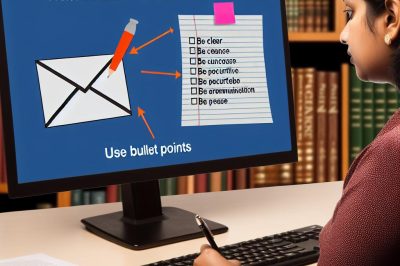
To further eliminate the need for follow-up correspondence, it is essential to include all necessary information within the initial message. This involves being explicit about any requests for information or actions required from the recipient. When conveying complex information, use bullet points or numbered lists sparingly to enhance readability without overwhelming the recipient. Such formatting helps break down dense information into manageable parts, making it easier for the reader to digest and comprehend.
Anticipate Questions
A proactive approach in email communication involves anticipating potential questions or areas of confusion the recipient might encounter. Addressing these in your initial message can significantly reduce the likelihood of follow-up emails. For instance, incorporating a FAQ section or addressing common queries within the email can preemptively answer questions before they are posed by the recipient.
Utilize Attachments Wisely
Attachments should be used strategically to supplement the content of the email rather than overload the main body with excessive details. Clearly reference any attachments included in your email and explain their relevance to the reader. For instance, when sending a report, you might write, “Please see the attached report for further details on our quarterly performance.” This guiding statement helps the reader understand the context and importance of the attachment.
Encourage Direct Communication
There are instances when alternative forms of communication, such as brief phone calls or video conferences, can resolve issues faster than extended email exchanges. Suggesting these modes of communication for complex topics can lead to more efficient solutions. Include a note in your email like, “If you have further questions, feel free to call me, or we can schedule a video conference.” Such suggestions demonstrate a willingness to facilitate effective communication.
Review and Edit
Before sending your email, take the time to review and edit for clarity and tone. Remove any unnecessary language, and ensure the email is as clear and concise as possible. Such diligence in editing cannot be overstated, as it prevents misunderstandings that could lead to additional emails. A well-edited email reflects professionalism and respect for the recipient’s time and attention.
Encourage Feedback
Invite feedback and encourage open communication to ensure that your message is understood. A simple conclusion to your email might read, “Please let me know if this is clear or if there are any questions.” This invitation provides the recipient with the opportunity to seek clarification, thereby reducing the likelihood of miscommunications and further email exchanges.
Conclusion
Enhancing email efficiency involves a delicate balance of clarity, completeness, and strategic foresight. By focusing on these elements, you can significantly reduce the volume of unnecessary back-and-forth emails, thereby enhancing overall communication effectiveness. Implementing these practices not only boosts individual productivity but also fosters more streamlined and efficient interactions within any organization. For more strategies on effective communication, explore resources like MindTools or SkillsYouNeed.