
Understanding the Importance of an Attention-Grabbing Email
In contemporary professional environments, email serves as a critical tool for communication, particularly when engaging with supervisors or managers. Crafting an email that stands out in a crowded inbox while maintaining a professional tone is essential for effective communication. This involves a strategic approach that encompasses several crucial elements.
The Significance of a Clear Subject Line
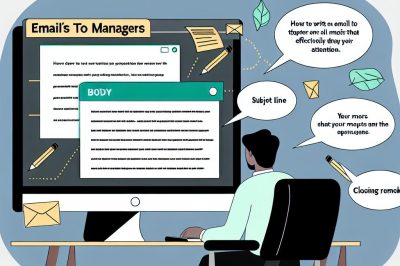
The subject line acts as the gateway to your email, serving as the initial point of contact with any manager. Its importance cannot be overstated, as it determines the likelihood of your email being opened. A well-crafted subject line should be both concise and relevant. This means avoiding vague phrases and instead using direct language that clearly conveys the topic of the email. For instance, specificity is paramount—substitute “Monthly Report Review Requested” for a simple “Report”, or opt for “Feedback Required: Q3 Marketing Strategy” instead of the ambiguous “Need Your Input”.
Structuring the Email Body
A logically organized body is equally important in ensuring that the message is understood. Begin your email with a brief introduction that clearly states its purpose. This introduction sets the stage for the details to follow and prepares the manager for the subject matter. The subsequent content should be presented in a coherent manner that is easy to follow. When concluding, ensure a clear call to action if needed, guiding the manager on the next steps to take.
Utilizing Bullet Points and Short Paragraphs
The use of bullet points is highly effective in enhancing the email’s readability, particularly when multiple pieces of information or instructions need to be conveyed. Alongside bullet points, maintaining short paragraphs helps to keep the reader engaged and ensures that the content is digestible. This approach prevents the reader from becoming overwhelmed by large blocks of text.
Crafting a Professional Tone
In professional emails, the tone used can significantly influence how the content is received. It is crucial to employ a tone that is both respectful and courteous. Begin by addressing the manager with their correct title and name, reinforcing the professional nature of the communication. As you close the email, finish with a professional sign-off. An example might be:
Regards,
[Your Name]
[Your Position]
This not only leaves a positive impression but also reinforces the connection between the email’s content and its sender.
Ensuring Clarity and Precision
Clarity is the bedrock of an effective email. It is important to avoid the use of jargon unless it is widely understood within the industry. Precision should be observed, particularly with dates, numbers, or any statistics offered, to avert any possible ambiguity. Clear language not only assists in comprehension but also helps in avoiding misinterpretations.
Checking for Errors
Before hitting send, proofreading your email is imperative. By doing so, you can rectify any grammatical or typographical mistakes. Taking the extra step to ensure that your message is polished and professional is worth the effort. You can utilize various tools or plugins designed to assist in maintaining error-free communication.
Utilizing Email Tools
Numerous online resources are available to aid in the drafting and sending of professional emails. These tools offer functionalities like grammar checks, email scheduling, and template creation, which can streamline the email-writing process considerably. Scheduling tools can even help you send emails at optimal times, ensuring they capture the recipient’s attention.
Conclusion
In summary, writing emails to managers that successfully capture attention requires thoughtful preparation and a strategic approach. By ensuring clear communication through a specific subject line, well-structured content, a professional tone, and precise language, you can effectively engage your manager’s attention. It is always a good practice to proofread your email to confirm that it delivers your message effectively and professionally. Maintaining these standards in email communication can have a significant impact on your professional image and the success of your interactions.